About Test Bench For Burner
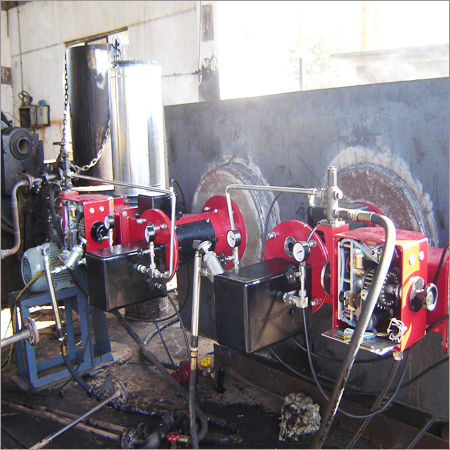
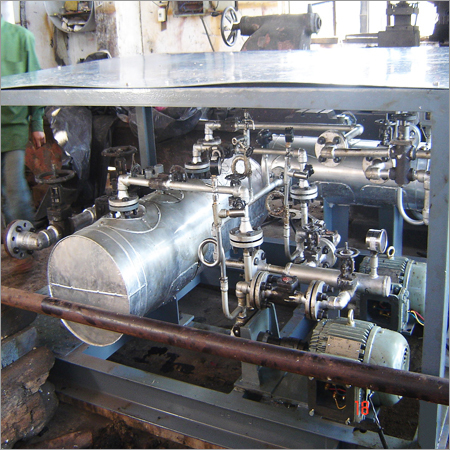
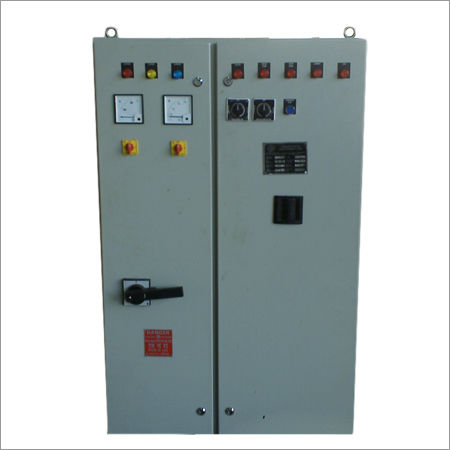
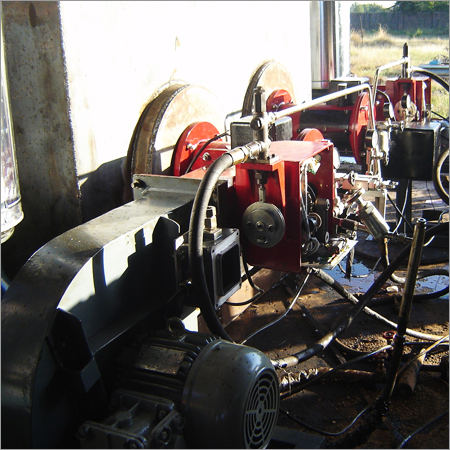
With dexterous team of professionals, we have been able to manufacture, export and supply a qualitative range of Test Bench For Burner. The offered bench is ideal for testing hydraulic hoses, valves, brake lining, power steering, pumps along with a variety of medical products like HP monitor line and catheters. Under the supervision of our adroit professionals, provided bench are proficiently manufactured by making use of superior grade components and sophisticated machinery. Moreover, our clients can avail this Test Bench For Burner in varied specifications and sizes at reasonable prices.
Features:
-
Excellent functionality
-
Rugged design
-
High performance
-
Operational fluency
High-Precision Testing and CalibrationEngineered for accuracy, this test bench enables comprehensive performance verification and calibration of both gas and oil burners. Its robust construction and advanced fittings ensure stable operation and consistent results, meeting the rigorous demands of industrial applications.
Designed for Industrial VersatilityWith dimensions of 1200 mm x 700 mm x 900 mm and support for up to 50 kW output, the bench suits a wide range of burner types. The inclusion of stainless steel and brass fittings enhances resistance to corrosion, while the single-phase, 230 V AC input ensures operational safety and convenience.
Efficient Data Collection and OutputThe unit captures calibrated burner output and essential fuel data, streamlining the process for quality assurance and maintenance checks. High heat efficiency (8590%) supports energy savings, while the output data aids in optimizing burner performance for maximum reliability.
FAQs of Test Bench For Burner:
Q: How does the test bench facilitate burner calibration?
A: The test bench provides a secure, controlled environment featuring precise pressure and temperature measurement capability. By simulating actual operational conditions up to 5 bar and 400C, it allows for accurate calibration and adjustment of both gas and oil burners, ensuring they meet prescribed efficiency and safety standards.
Q: What is the typical process for using the test bench?
A: Connect the burner to the stainless steel mountings and ensure all brass fittings are secure. Adjust fuel supply and pressure as required, then initiate testing by monitoring output parameters. Collected data on fuel consumption and burner efficiency can be analyzed to calibrate the burner for optimal performance.
Q: When should burners be tested or calibrated using this bench?
A: Burners should be tested and calibrated periodically, typically during routine maintenance or after repair. Calibration is also recommended when burners are first installed or whenever there is a noticeable change in performance, to ensure safety and operational efficiency.
Q: Where can this test bench be installed or used?
A: The unit is suitable for installation in industrial settings, calibration laboratories, burner manufacturing facilities, and maintenance workshops. Its moderate size and single-phase voltage compatibility offer flexibility in placement and ease of integration into existing test setups.
Q: What are the benefits of using a stainless steel burner mounting and brass fittings?
A: Stainless steel burner mountings provide excellent resistance to heat and corrosion, ensuring longevity and safe operation. Brass fittings are durable and offer reliable sealing, which minimizes gas or oil leaks and helps maintain accurate pressure during testing.
Q: How does the bench ensure accurate fuel consumption and burner efficiency measurements?
A: Integrated measuring instruments record fuel flow rates (oil: 110 L/hr, gas: 18 m/hr) and heat output, enabling precise analysis of burner performance. This data is essential for verifying heat efficiency (8590%) and for making necessary adjustments to optimize fuel utilization.
Q: What is the expected lifespan and maintenance requirement for this unit?
A: Designed for a service life of 810 years, the test bench requires routine inspections to check for wear on seals, fittings, and measuring instruments. Regular maintenance preserves accuracy and operational reliability, supporting years of dependable use.





 Send Inquiry


 Send Inquiry